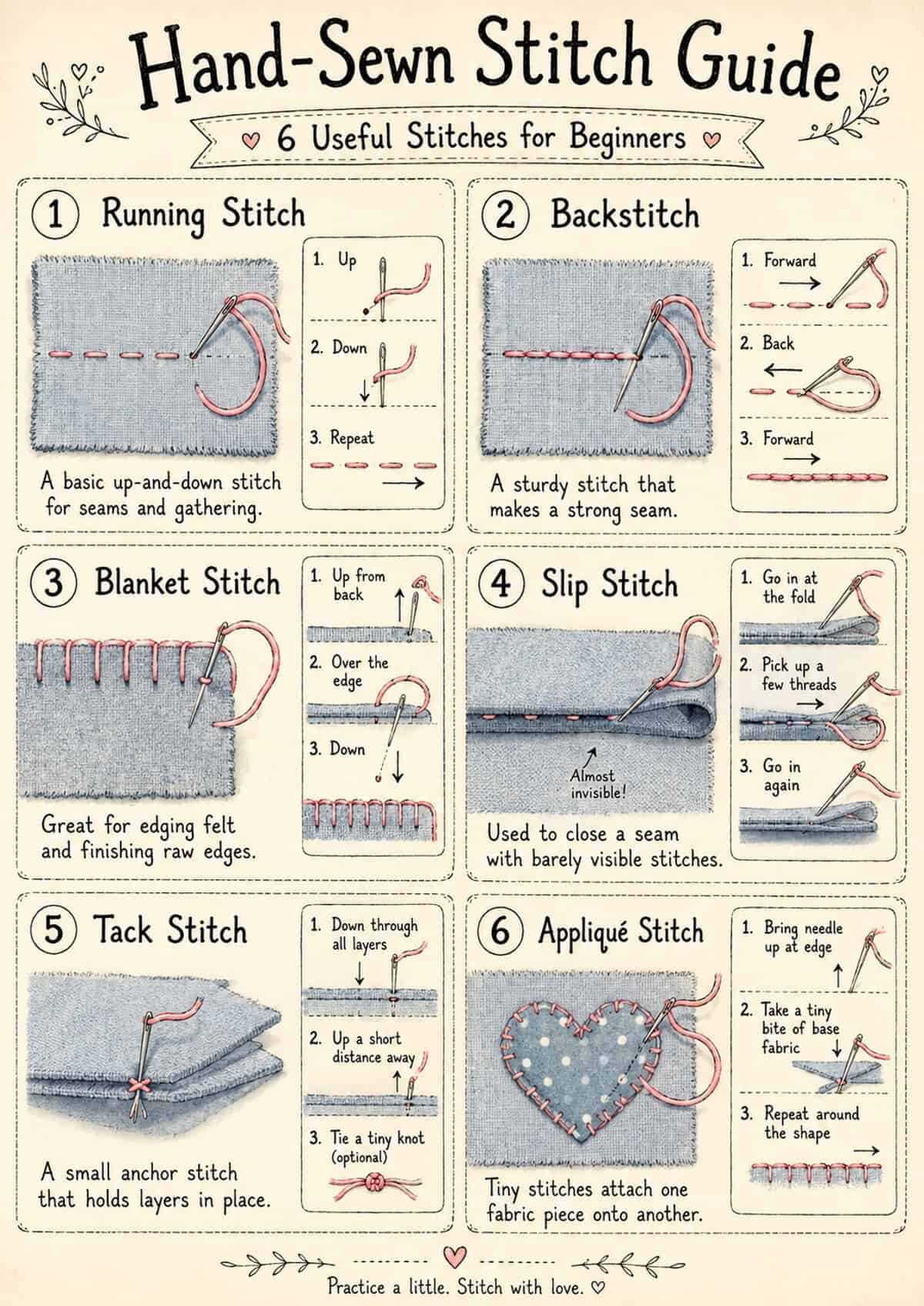
If you’re just getting back into hand sewing, or starting for the first time, a small sewing kit makes the whole thing feel easier and a lot more inviting. You don’t need a huge stash, a fancy sewing room, or every gadget in the craft store. A few practical supplies tucked into a small box or pouch will get you through most simple textile projects.
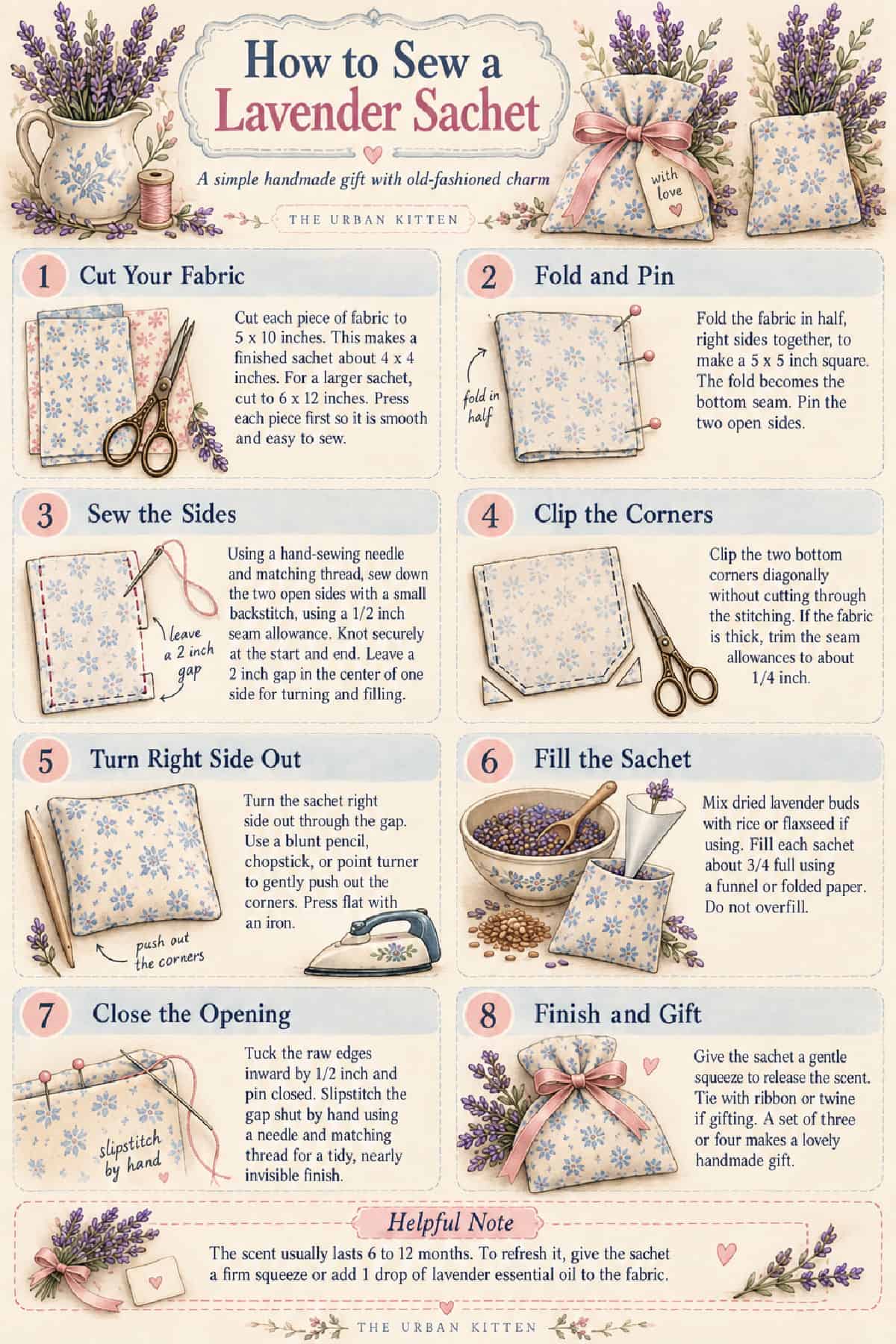
Most of the small projects here on The Urban Kitten will be fabric-based, so this little kit is a good place to start. Think of it as your “grab-and-stitch” box — the thing you can keep nearby for mending, slow stitching, small felt projects, buttons, ornaments, pincushions, and all those cozy little handmade odds and ends.
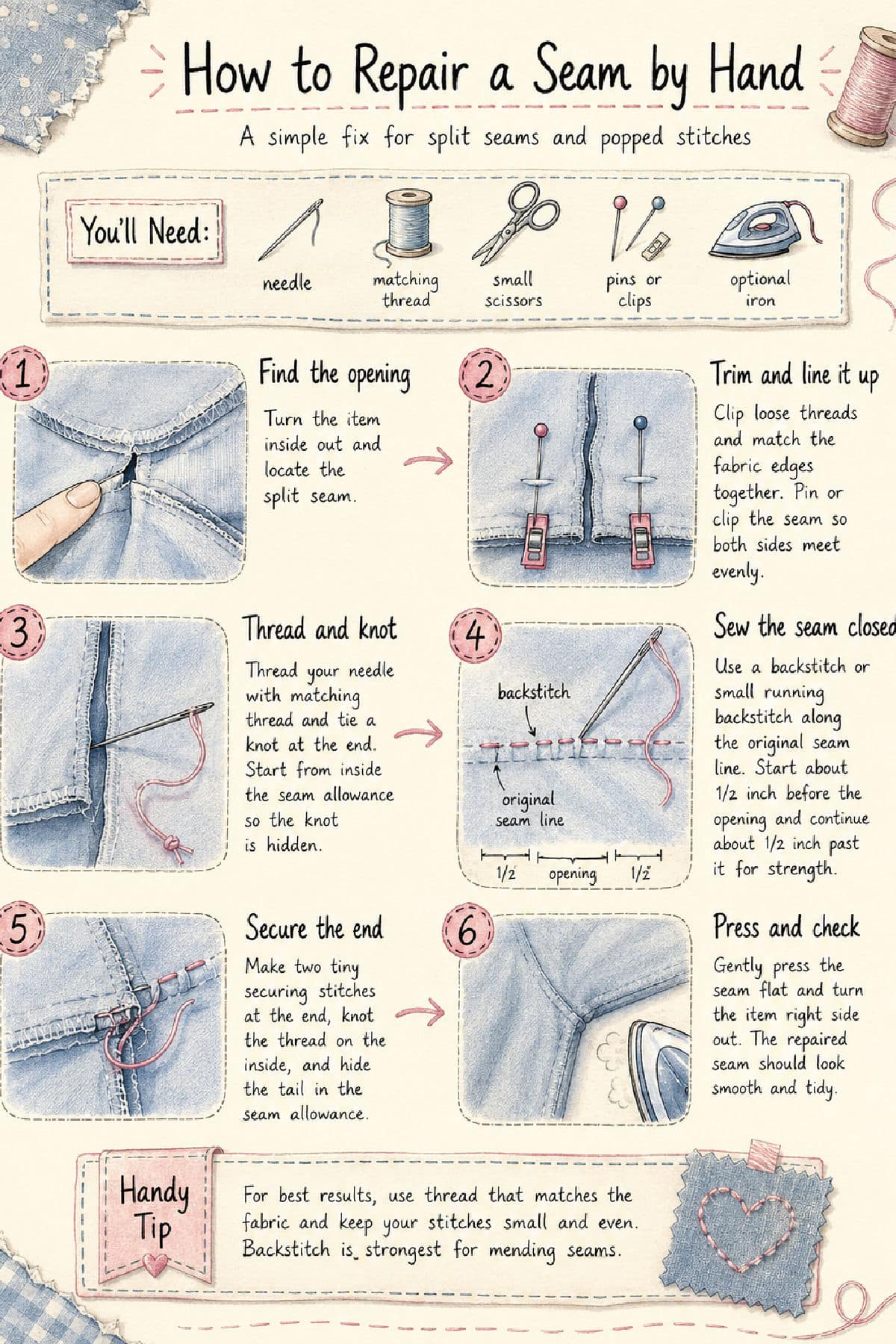
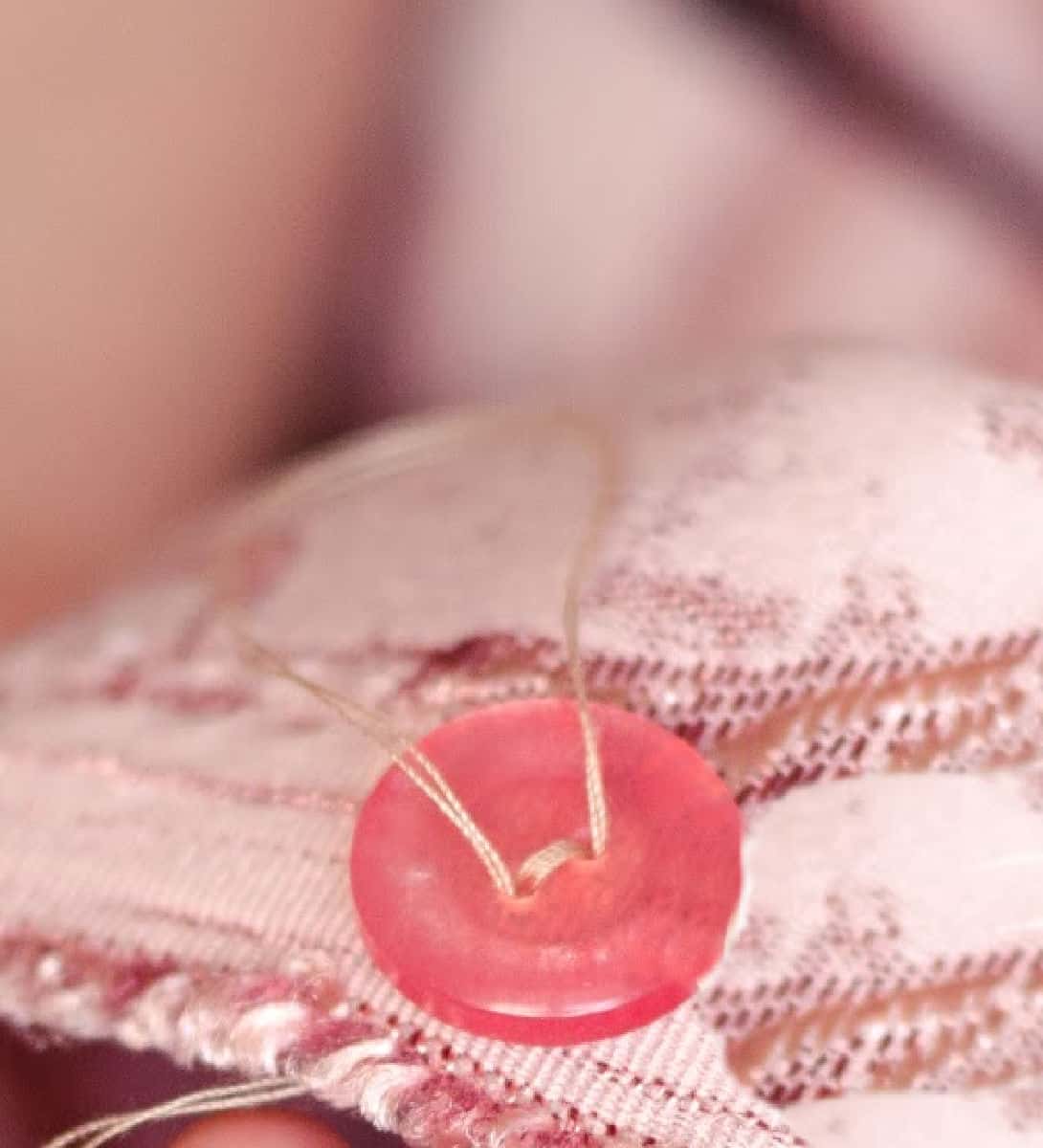
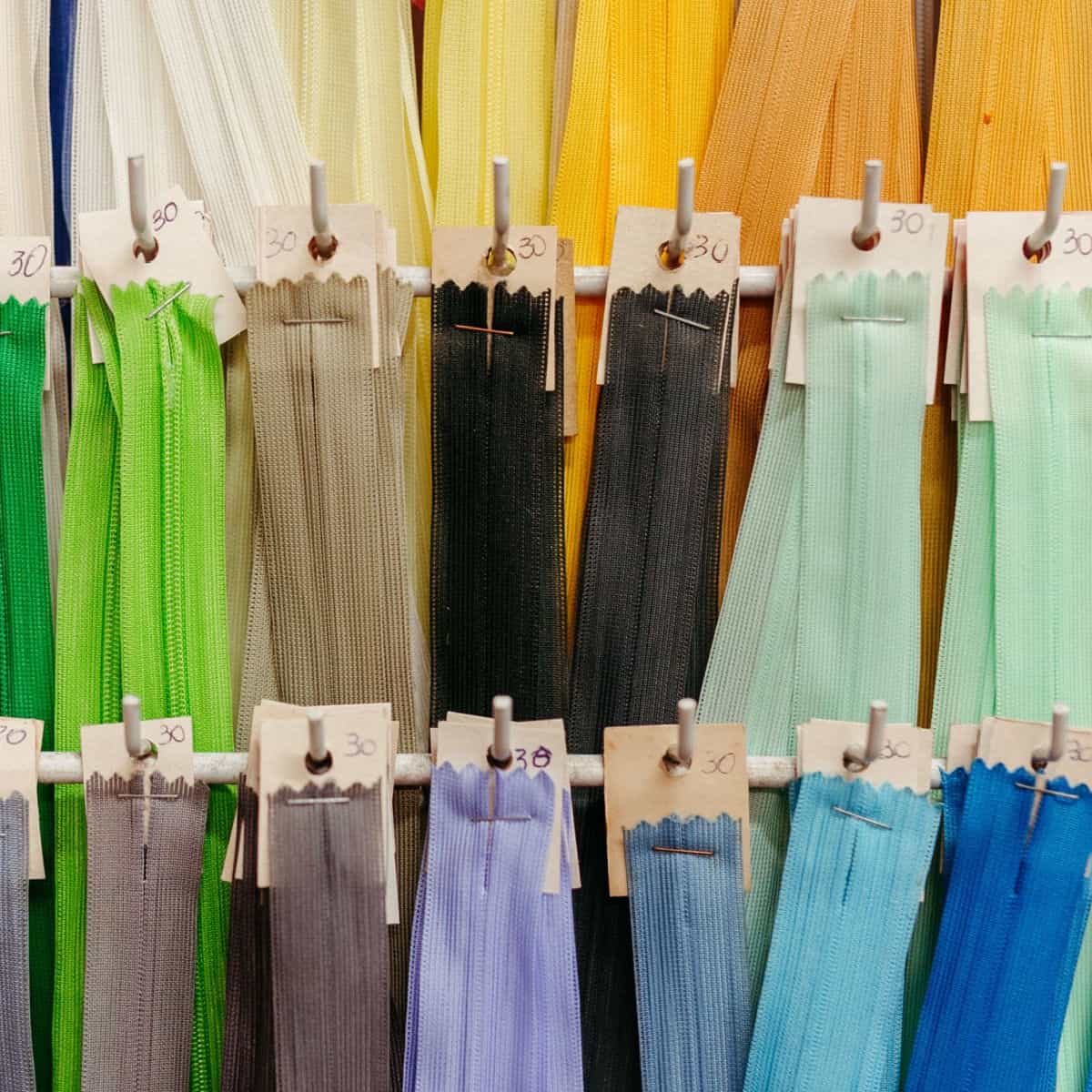
With your hand sewing kit ready you can sew in a zipper, sew on. a button or dive into that small craft project!
Scrap Fabrics
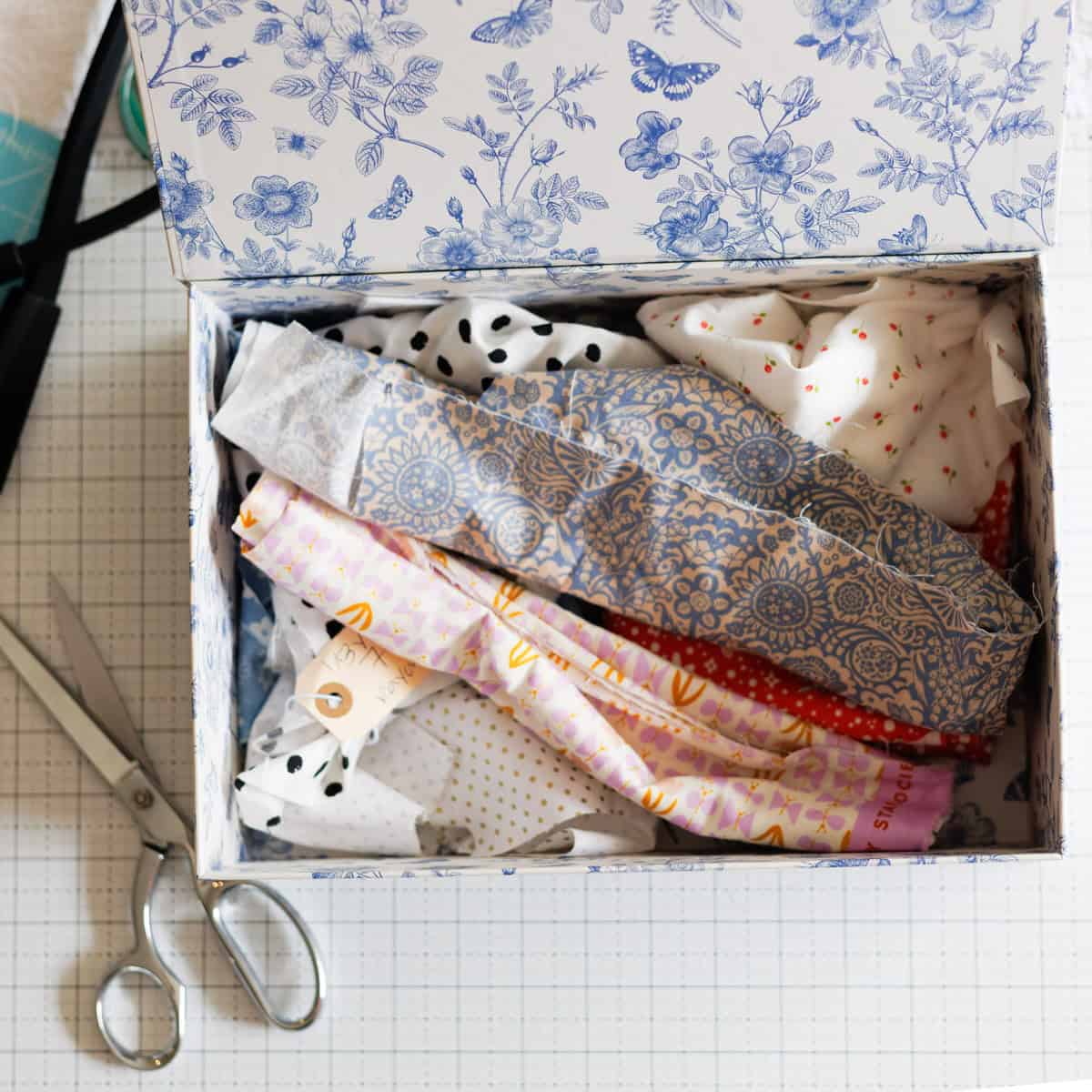
Small projects are perfect for using small pieces of fabric, which means you don’t need to buy full yards unless you want to. I keep a small lidded box from HomeGoods filled with odd pieces of fabric, remnants, and bits saved from other projects.
Before tossing old clothing, see if you can salvage some of the fabric. A 12 x 18-inch piece can be plenty for many small hand sewing projects. Shirts, skirts, napkins, pillowcases, and worn-out linens can all become useful fabric scraps, as long as the fabric is still sturdy and clean.
A helpful post is read How to Save Money on Craft Supplies at The Store
Good places to find fabric for small projects:
Garage sales and yard sales
Thrift stores
Fabric shop remnant bins
Old clothing with pretty fabric
Small cuts from fabric sales
Leftover quilting cottons
Vintage linens, napkins, or tea towels
When you’re sewing small things, even a little bit of fabric can go a long way.
Thread
Thread choice depends on the project, but it’s helpful to keep a few basic colors on hand. White, cream, gray, black, navy, and medium blue will blend into many small projects. You can always add specialty colors later as your projects call for them.
For hand sewing, I like using quilting thread. It’s a little thicker than regular garment thread, and many quilting threads have a light coating that helps the thread glide through fabric more smoothly. It also seems to tangle less, which is a small miracle when you are sewing by hand and trying not to invent new swear words.
You may also want to keep a small piece of beeswax or thread conditioner in your kit. Running thread through wax before sewing can help reduce knots and make stitching easier, especially when working with longer lengths of thread.
Needles
A few good hand sewing needles are more useful than a giant mystery pack you never reach for. Keep several sizes on hand so you can choose the needle that works best for your fabric and thread.
Handy needle sizes to keep in your kit:
Sharps, sizes 5–7: These are great all-purpose hand sewing needles. I tend to reach for size 5 most often because it feels sturdy and easy to handle.
Embroidery or crewel needles, sizes 7–9: These are similar to sharps but have a longer eye, which makes them easier to thread. They are helpful when using thicker thread, embroidery floss, or decorative stitching.
A needle threader is also worth keeping in your kit. It takes up almost no space and can save a lot of frustration, especially when the lighting is less than perfect or your thread is being stubborn.
It’s also helpful to have a small pincushion, needle book, or magnetic needle minder so your needles have a safe place to live. The sofa cushion is not an approved needle storage system, no matter how many of us have tried it.
Pins, Clips, and Holding Things Together
For small hand sewing projects, you’ll want something to hold fabric pieces in place. Straight pins are useful, but small sewing clips are also wonderful, especially when working with felt, thicker fabric, batting, or pieces you don’t want to poke holes in.
Keep a few of these in your kit:
Straight pins
Small sewing clips
Safety pins
A pincushion or magnetic pin holder
You don’t need a lot. A small handful is usually enough for most little projects.
Batting, Fusible Fleece, and Interfacing
Small projects often need a little structure. A soft pouch, ornament, coaster, needle book, or fabric basket may look better with batting, fusible fleece, or interfacing tucked inside.
I like keeping a small package of fusible fleece or interfacing on hand. HeatnBond and Pellon 987F are both easy to find and inexpensive. They add body to fabric without making the project too stiff.
I also like wool batting for small hand sewing projects. It has a lovely feel and gives handmade items a soft, slightly padded finish. You can often buy smaller quantities online, which is perfect if you don’t need a full-size quilt batt taking over your craft space.
Cutting Tools
A sharp pair of scissors makes hand sewing so much easier. You don’t need a drawer full of cutting tools, but you do want a pair that cuts cleanly through fabric.
Good cutting tools to have:
A sharp pair of fabric or dressmaking scissors
Small thread snips
A rotary cutter for odd shapes or clean edges
A seam ripper
Thread snips are one of those little tools that feel unnecessary until you own a pair. I bought my first pair not long ago and now use them constantly for cutting thread and trimming loose ends. They are small, quick, and much easier than opening a pair of scissors every time you need to snip a thread.
And yes, keep a seam ripper in the kit. Not because we plan to make mistakes, of course. It’s just there for emotional support.
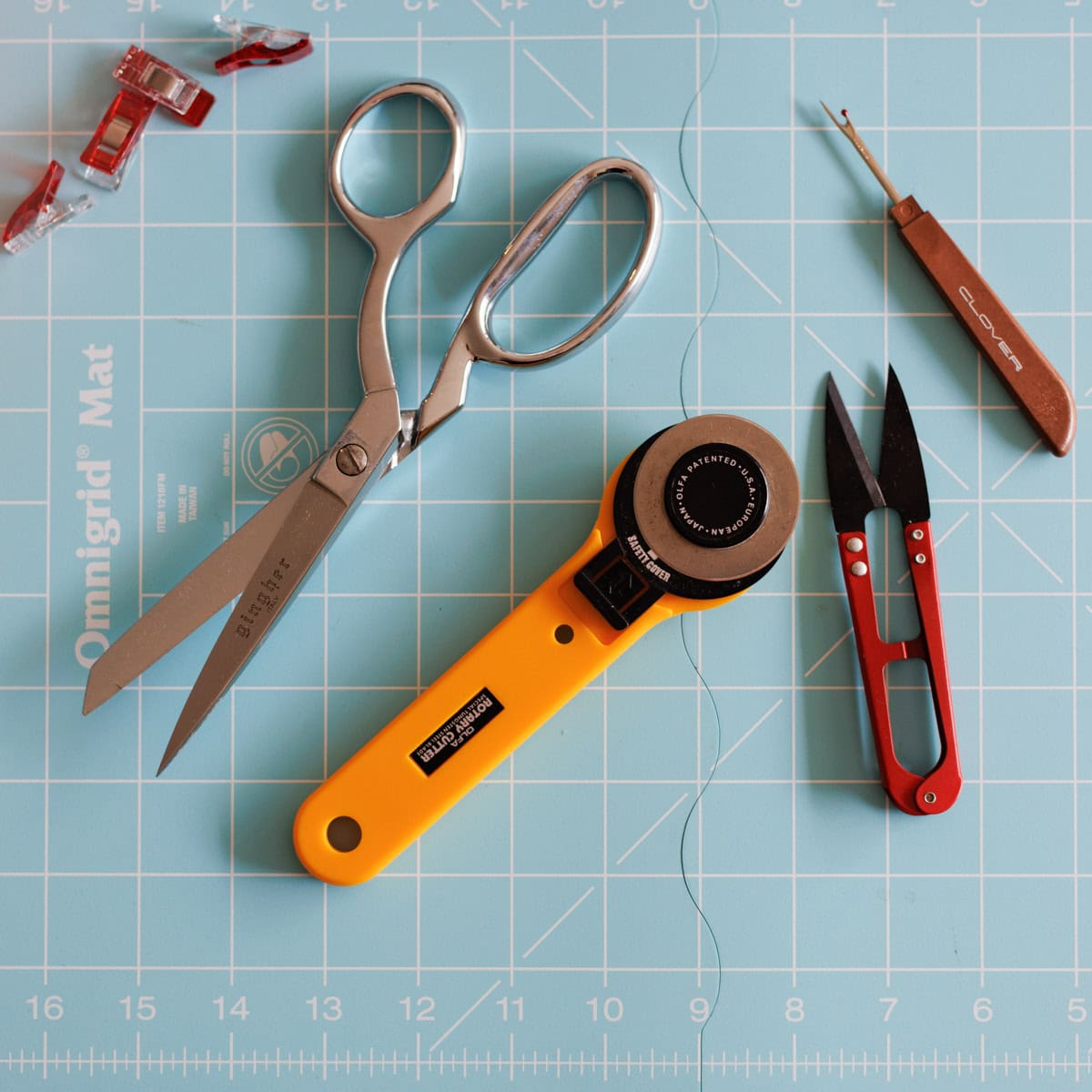
If you only have one item in your budget, then go for the best pair of scissors that’s within reason for your budget. ONLY use them for fabric.
I’ve linked to Amazon for similartools above: Scissors, Thread Snips, Rotary Cutter, and Seam Ripper.
Measuring and Marking Tools
Even relaxed, simple projects usually need a little measuring. Keep a few basic tools nearby so you don’t have to go hunting every time you need to mark a line or check a seam allowance.
Helpful measuring and marking tools:
Small ruler
Flexible measuring tape
Fabric marking pen or pencil
Chalk pencil
A small notebook for measurements or project notes
A small 6-inch ruler is especially handy for little hand sewing projects. It fits in a small box and is usually all you need for measuring hems, seam allowances, tabs, and small pattern pieces.
Findings and Little Extras
Findings are the small finishing pieces that make a project useful or pretty. Thrift stores, estate sales, garage sales, and old sewing boxes are wonderful places to find these little extras.
Useful findings to keep on hand:
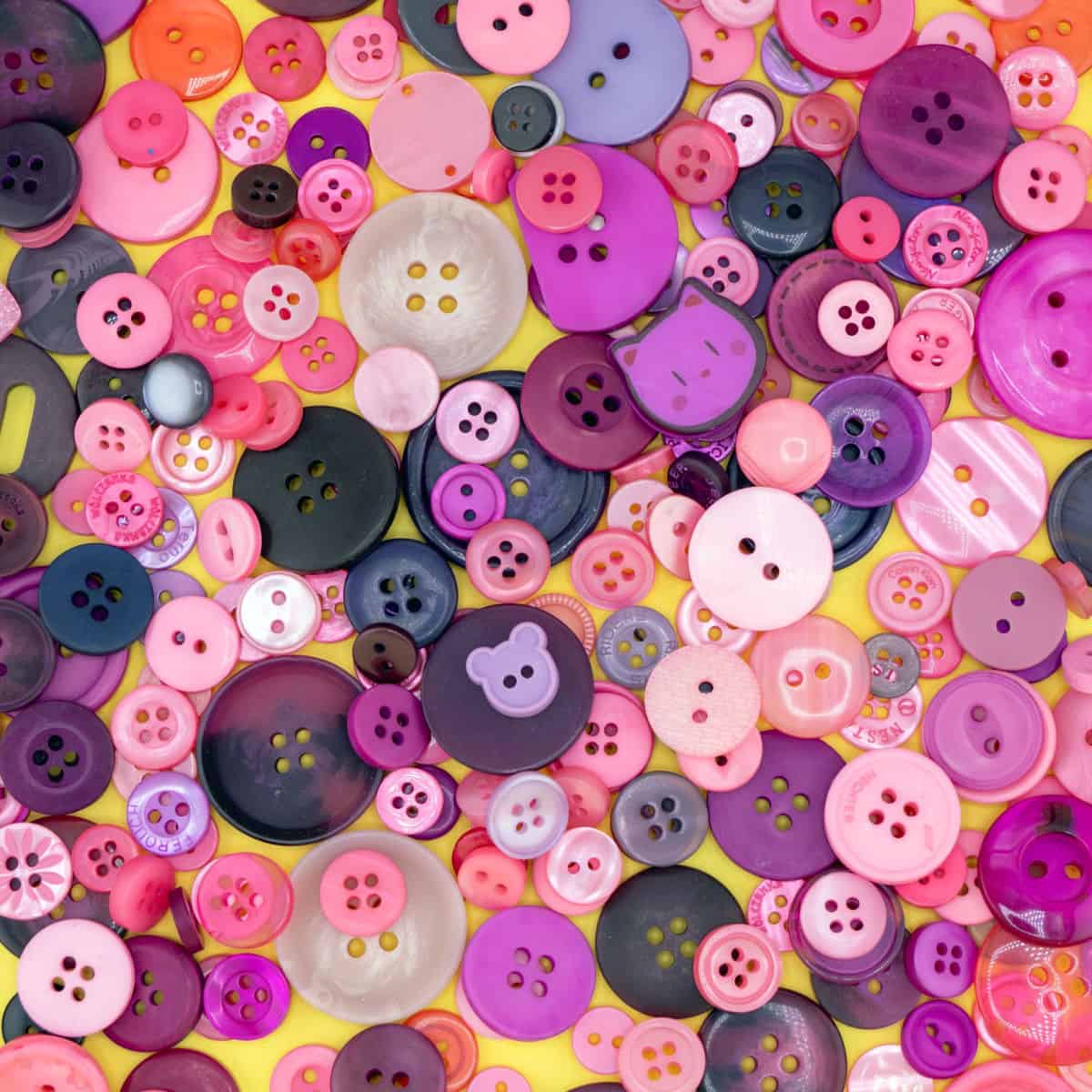
Buttons
Hook and eye closures
Hook and loop tape
Snaps
Small ribbon pieces
Elastic
Bias tape
Small pieces of twill tape
Decorative trims
Vintage buttons are especially fun for small hand sewing projects. A single pretty button can turn a simple pouch, needle book, or ornament into something that feels special.
Task Lighting
Good lighting makes a huge difference, especially if you like to sew in the evening or while sitting on the sofa. I love sewing on the sofa, but regular room lighting is not always enough for close hand stitching.
A small task light, clip-on lamp, or neck light is incredibly helpful. I bought an inexpensive neck light and absolutely love it. It directs the light right where I need it, and because it’s flexible, I can adjust it without having to rearrange the whole room.
Good task lighting helps you see your stitches, thread your needle, match colors, and avoid eye strain. It also makes hand sewing feel more relaxing and less like you’re squinting your way through a mystery.
Cutting Mat
A cutting mat protects your table and makes cutting fabric much easier. For small projects, I use a 12 x 18-inch foldable mat, and it works for most of my hand sewing projects. When I’m working with larger pieces of fabric, I pull out my 24 x 36-inch mat.
Both are easy to store away, which is important if you don’t have a dedicated craft room or cutting table. A smaller mat is often enough for little fabric projects and can be tucked into a closet, basket, or drawer when you’re done.
A Small Storage Box or Pouch
Once you gather your supplies, keep everything together in one small container. A lidded box, zip pouch, sewing basket, pencil case, or small craft organizer all work well.
Your kit doesn’t need to be fancy. It just needs to be easy to grab.
A simple hand sewing kit might include:
Fabric scraps
Basic thread colors
Hand sewing needles
Needle threader
Pins or sewing clips
Small scissors or thread snips
Seam ripper
Measuring tape
Small ruler
Fabric marking pencil
A few buttons or closures
Small pieces of batting or interfacing
Task light nearby
You can build your kit slowly and add supplies as you need them. That’s part of the fun. Start with the basics, make a few small projects, and you’ll quickly learn which tools you reach for again and again.
The best hand sewing kit is not the biggest one. It’s the one that makes it easy to sit down, thread a needle, and make something with your hands.