For most of my adult life, I have loved a good thrift shop. Years ago, I was mostly hunting for vintage clothing, furniture, and odds and ends that were too interesting to leave behind. The problem was that I had a hard time parting with my finds, and eventually, I ran out of room.
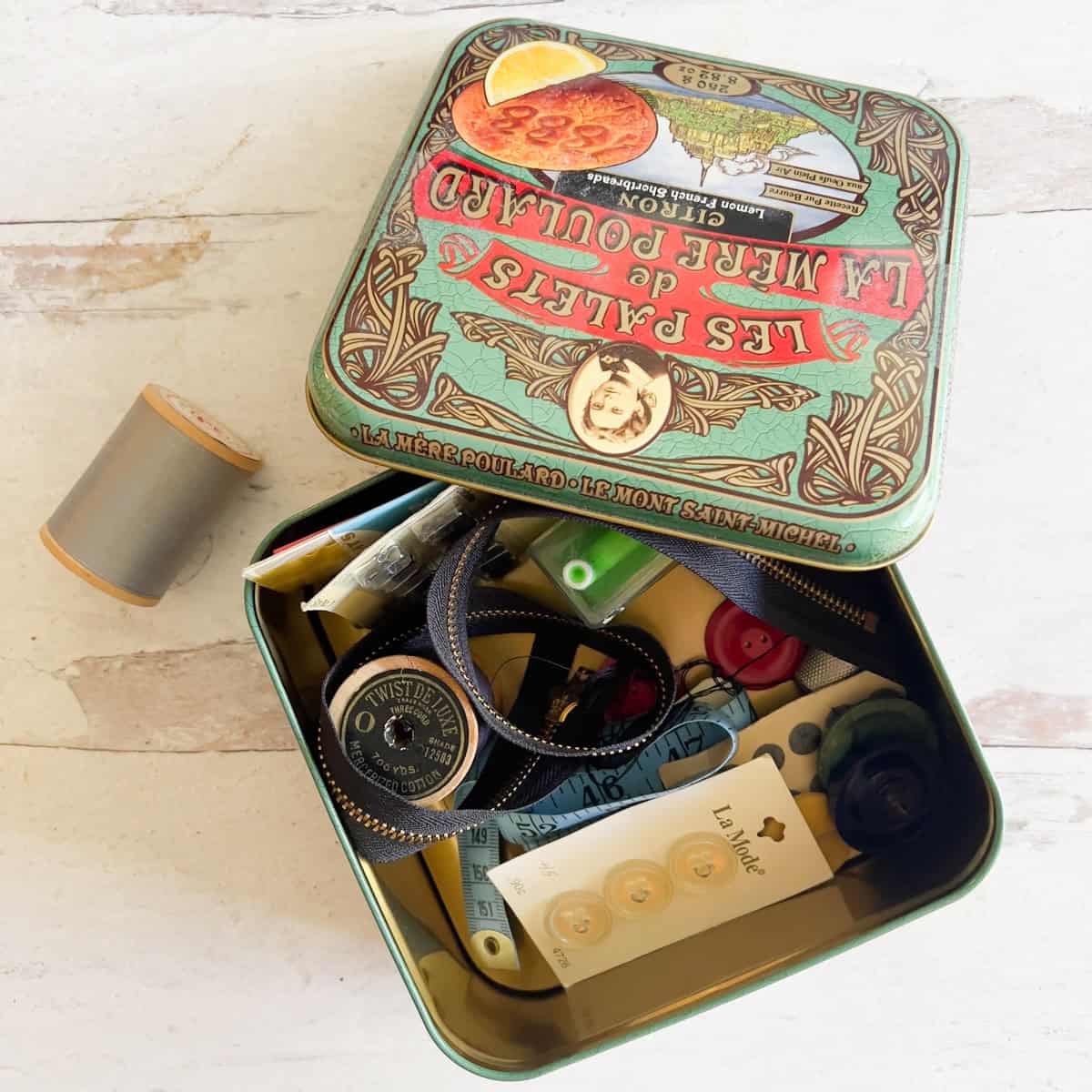
These days, I thrift with a different purpose. I’m not looking for things to resell or big pieces of furniture to drag home. Now I look for small treasures I can actually use, especially craft supplies, pretty fabric, old sewing notions, yarn, knitting needles, embroidery hoops, baskets, and anything that might become part of a handmade project. it suprisingly easy and inexpensive to put together a small sewing kit for hand sewing.
For a crafter, the thrift store can be a little like a treasure chest. You may not find what you need every time, but when you do, it feels like a tiny victory.
Why Thrift Stores Are Great for Crafters
Crafting can get expensive quickly, especially if you are buying every little supply brand new. Fabric, yarn, buttons, thread, patterns, trims, and tools all add up.
The thrift store gives you a chance to experiment without spending a small fortune. This is especially helpful if you enjoy small projects like potholders, doll clothes, ornaments, patchwork, small bags, table runners, napkins, coasters, embroidery projects, or simple hand-sewn gifts.
When you are working on small projects, you don’t always need a perfect yard of fabric from the fabric store. Sometimes an old cotton blouse, a linen skirt, a wool sweater, or a pretty pillowcase gives you more than enough material for what you want to make.
Look at Clothing as Fabric
One of the best thrift-store habits for a crafter is learning to look past the size of the garment and focus on the fabric.
A dress that is two sizes too big, a skirt with an outdated shape, or a blouse you would never wear can still have beautiful fabric. The size doesn’t matter if you are cutting it up for a small sewing project.
Look for:
- Cotton shirts with pretty prints
- Linen dresses or skirts
- Wool skirts or jackets
- Flannel shirts
- Denim jeans or jackets
- Silk scarves
- Vintage aprons
- Lightweight cotton nightgowns
- Tablecloths and napkins
- Curtains with good-quality fabric
For small projects, you can often work around a stain, a tiny hole, or a worn spot. As long as there is enough usable fabric, the piece may still be worth bringing home.
This is where thrift shopping gets fun. Instead of thinking, “Would I wear this?” ask, “What could I make with this fabric?”
Check for Flaws Before You Buy
A few flaws are fine, especially if you only need small pieces of fabric. But before you buy, give the item a good look.
Check for:
- Stains that cover too much of the fabric
- Strong odors
- Thin or worn areas
- Moth holes in wool
- Fabric that feels brittle
- Large faded spots
- Seams that hide very little usable material
For clothing, look at the front and back panels. Skirts, dresses, and larger shirts often give you the most usable fabric. A full cotton skirt can become several small projects. A wool jacket may give you enough fabric for ornaments, appliqué, or a small pouch.
If you sew small, you can be very flexible. You are not looking for perfection. You are looking for potential.
Don’t Skip the Linens Section
The linen section is one of my favorite places to look for craft materials. People donate tablecloths, napkins, pillowcases, sheets, curtains, and handmade pieces all the time.
A vintage tablecloth with a stain in one corner might still have plenty of good fabric for napkins, quilt squares, embroidery, or small bags. Old pillowcases can become drawstring bags or fabric liners. Curtains can sometimes provide several yards of fabric for very little money.
Look for natural fibers when you can, especially cotton and linen. They are easier to sew, press nicely, and work well for many beginner-friendly craft projects.
Look for Old Sewing Patterns
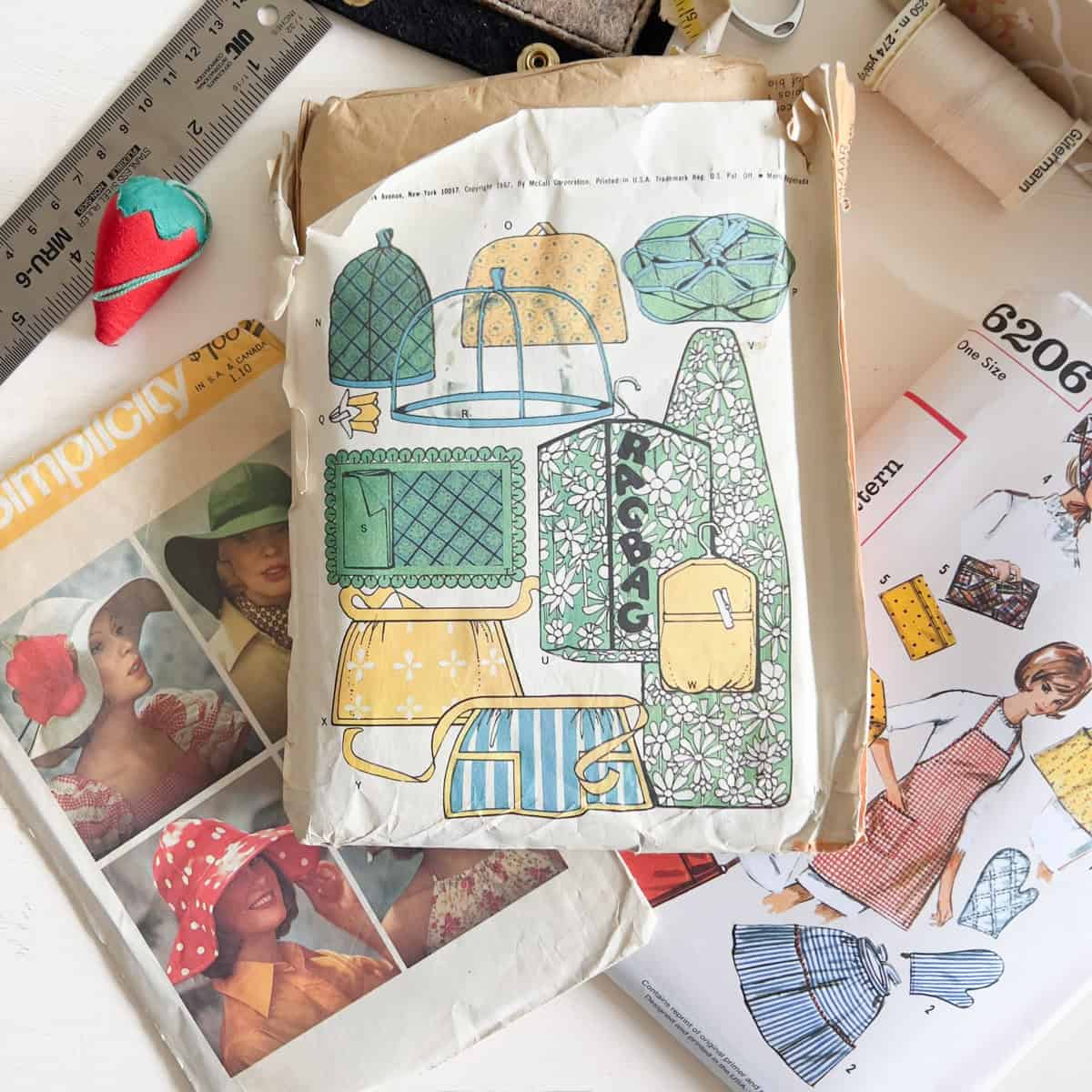
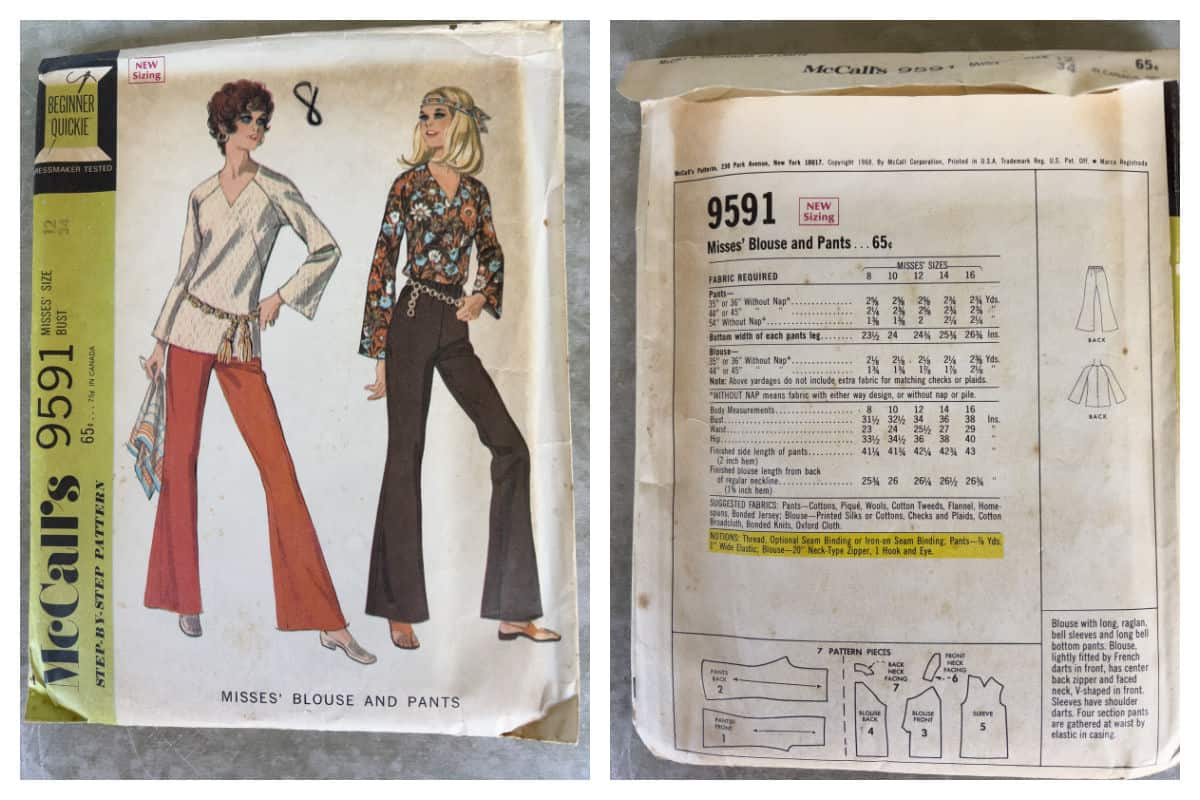
People often donate old sewing patterns, and they can be a wonderful thrift-store find. Even if you don’t plan to sew the exact garment shown on the envelope, older patterns can be useful for learning basic shapes and construction.
Before buying, check inside the envelope if you can. Make sure the main pattern pieces are there, or at least enough pieces for the part of the pattern you want to use.
Vintage patterns can also be used for:
- Simple sewing practice
- Craft templates
- Doll clothes
- Aprons
- Bags
- Costume pieces
- Paper crafts
- Inspiration boards
If the pattern is inexpensive, I don’t worry too much about perfection. Sometimes the artwork alone is worth saving.
Check for Knitting Needles, Crochet Hooks, and Notions
The small bins and baskets at thrift stores can be a gold mine for craft supplies. Look for knitting needles, crochet hooks, embroidery hoops, sewing baskets, buttons, zippers, bias tape, lace, trims, snaps, and thread.
Open little bags and boxes if the store allows it, or at least inspect them closely. Sometimes a small plastic bag filled with random sewing notions has exactly what you need.
I especially like looking for:
- Wooden embroidery hoops
- Metal knitting needles
- Crochet hooks
- Vintage buttons
- Thread spools
- Thimbles
- Measuring tapes
- Sewing baskets
- Small storage tins
- Ribbon and trim
A good sewing basket with a few useful supplies inside can be a wonderful find, especially if you are just starting to build your craft stash.
Be Careful When Buying Thrifted Yarn
Yarn can be a great thrift-store find, but it needs a little extra inspection. Some yarn holds up beautifully, while older yarn may become weak, musty, or brittle.
Before buying yarn, give it a gentle pull test. Take a strand and tug lightly. If it snaps easily, feels dry, or seems to crumble, leave it behind. Yarn that has deteriorated will not be much fun to knit, crochet, or craft with.
Also check for:
- Musty smells
- Signs of moth damage
- Tangled skeins
- Missing labels, if fiber content matters to you
- Odd texture changes
- Yarn that feels dusty or sticky
If the yarn looks clean, feels strong, and passes the pull test, it may be perfect for small projects like ornaments, granny squares, pom-poms, dishcloths, small scarves, or practice swatches.
Think Small and Shop Creatively
The smaller your project, the more options you have. That is one of the best things about crafting with thrifted supplies.
You may not find enough matching fabric for a full quilt, but you might find enough for a patchwork potholder. You may not find a sweater worth wearing, but the wool might be perfect for felted ornaments. A single pretty napkin may become a sachet, a bookmark, or a small embroidery project.
Small projects let you use what you find instead of trying to force the thrift store to act like a regular craft store.
My Thrift Store Craft Shopping Rules
I try to keep a few simple rules in mind so I don’t bring home more than I can use.
- Buy only what you truly like.
- Check for odors before buying.
- Inspect fabric in good light.
- Think about how much usable material you are actually getting.
- Avoid buying supplies just because they are cheap.
- Keep a small list of projects you want to make.
- Leave room for the unexpected treasure.
That last one is important. Thrift shopping is part planning and part surprise.
Bring a Small Thrifting Kit
If you are serious about hunting for craft supplies, it helps to bring a few things with you.
A small measuring tape is useful for checking fabric, frames, baskets, and storage containers. A list keeps you from buying things you don’t need. If you are looking for fabric to match a project, a small swatch or photo on your phone can help.
I also like to keep hand wipes in my bag because thrift-store digging can be dusty work.
What to Wash Before Using
Most thrifted fabric and clothing should be washed before you cut into it. This helps remove dust, odors, and any mystery thrift-store history.
Wash cotton, linen, and washable clothing before using them in a project. For wool, use more care. Some wool sweaters can be intentionally felted in hot water, which is great if that is your plan. But if you want to preserve the fabric as-is, wash gently or spot clean.
Buttons, needles, hoops, and hard tools can usually be wiped down before being added to your supplies.
The Joy of the Hunt
The best part of thrifting for craft supplies is that you never know what you’ll find. One day it might be a bag of vintage buttons. Another day it might be a linen skirt with the perfect fabric for handmade napkins. Another time it might be a bundle of knitting needles, a stack of old patterns, or a wooden hoop just waiting for a little embroidery.
Buying secondhand isn’t only about saving money. It is also about using what already exists, keeping good materials out of the landfill, and letting discarded things become something useful and handmade.
And honestly, there is something very satisfying about saying, “I made this from a thrift-store find.”
Final Thoughts
If you enjoy small craft projects, the thrift store is one of the best places to stretch your budget. Look at clothing as fabric, check the linens, dig through the sewing baskets, inspect the yarn, and keep an open mind.
You don’t need perfect supplies to make something lovely. Sometimes all you need is a pretty print, a good button, a sturdy piece of fabric, and a little imagination.

Find a Thrift Shop on Vacation
While traveling I try to fit in a couple of hours to visit one or two thrift stores when I travel. I’ve found incredible deals in the bowels of dusty old shops. Do your research on the area and look for reviews from other shoppers.
Every August 17th is Annual Thrift Shop Day!
Celebrate Thrift Shop day on August 17th by visiting your local thrift shops and go on a little treasure hunt. I have no idea who started this but what an excellent idea to support your local thrift shop.