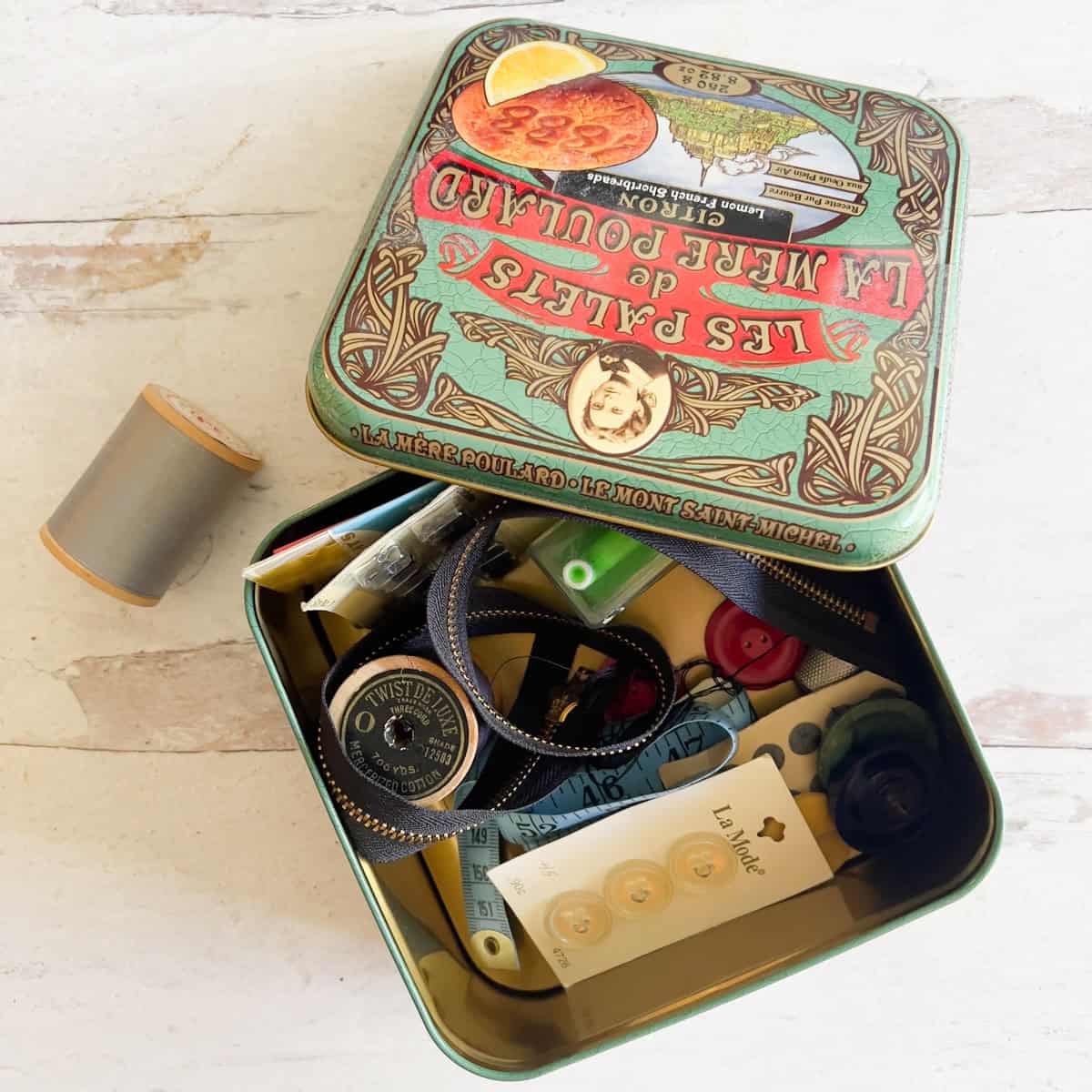
Buying vintage sewing patterns online can feel a little like opening a treasure box. Buying a box of old patterns from an online vintage store started my slight obsession with vintage patterns
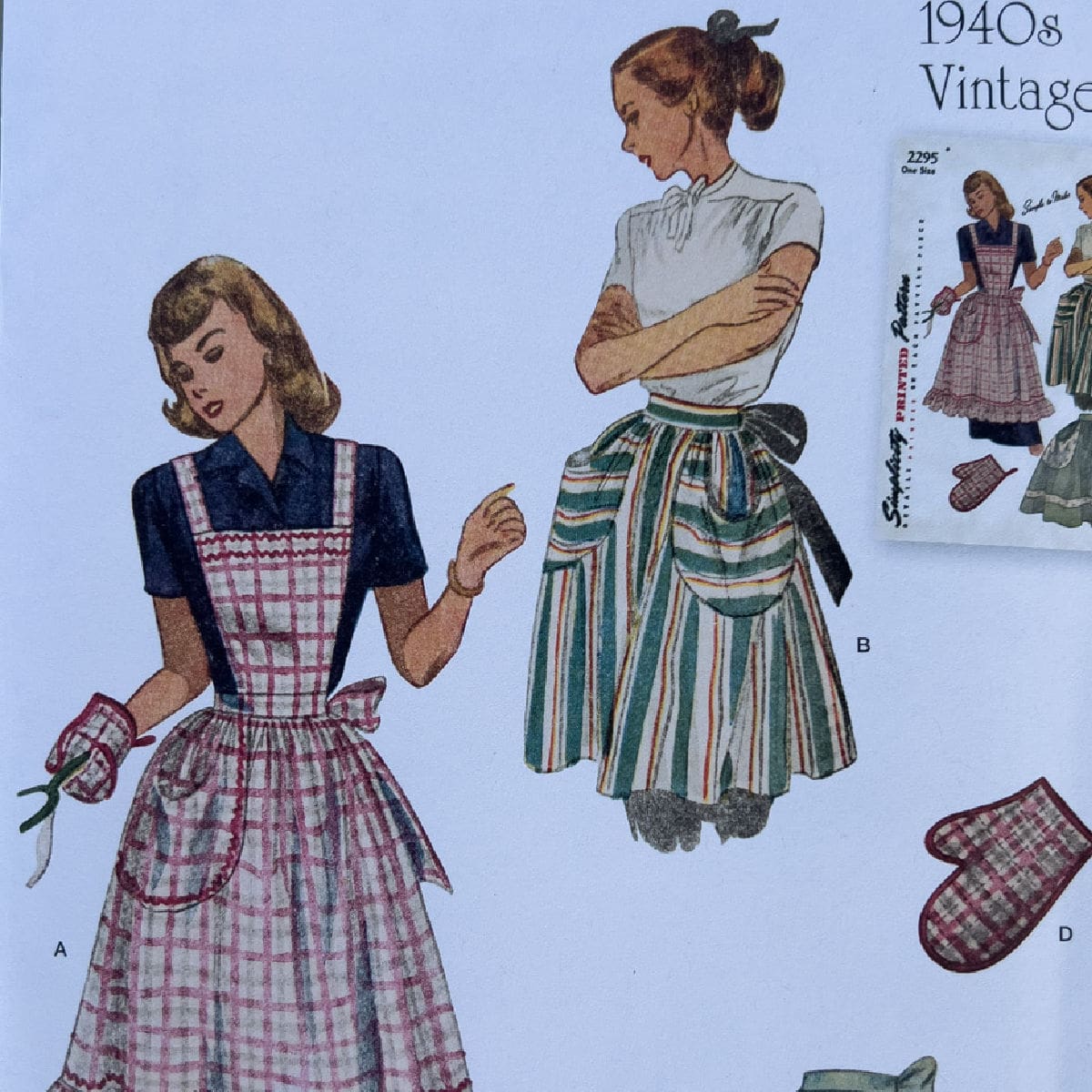
You may find an old-fashioned apron, a charming stuffed animal, a practical sewing case, or a forgotten craft project that seems made for your fabric scraps. Patterns from the 1960s through the 1990s are especially fun to browse because the styles are familiar, nostalgic, and often surprisingly useful.
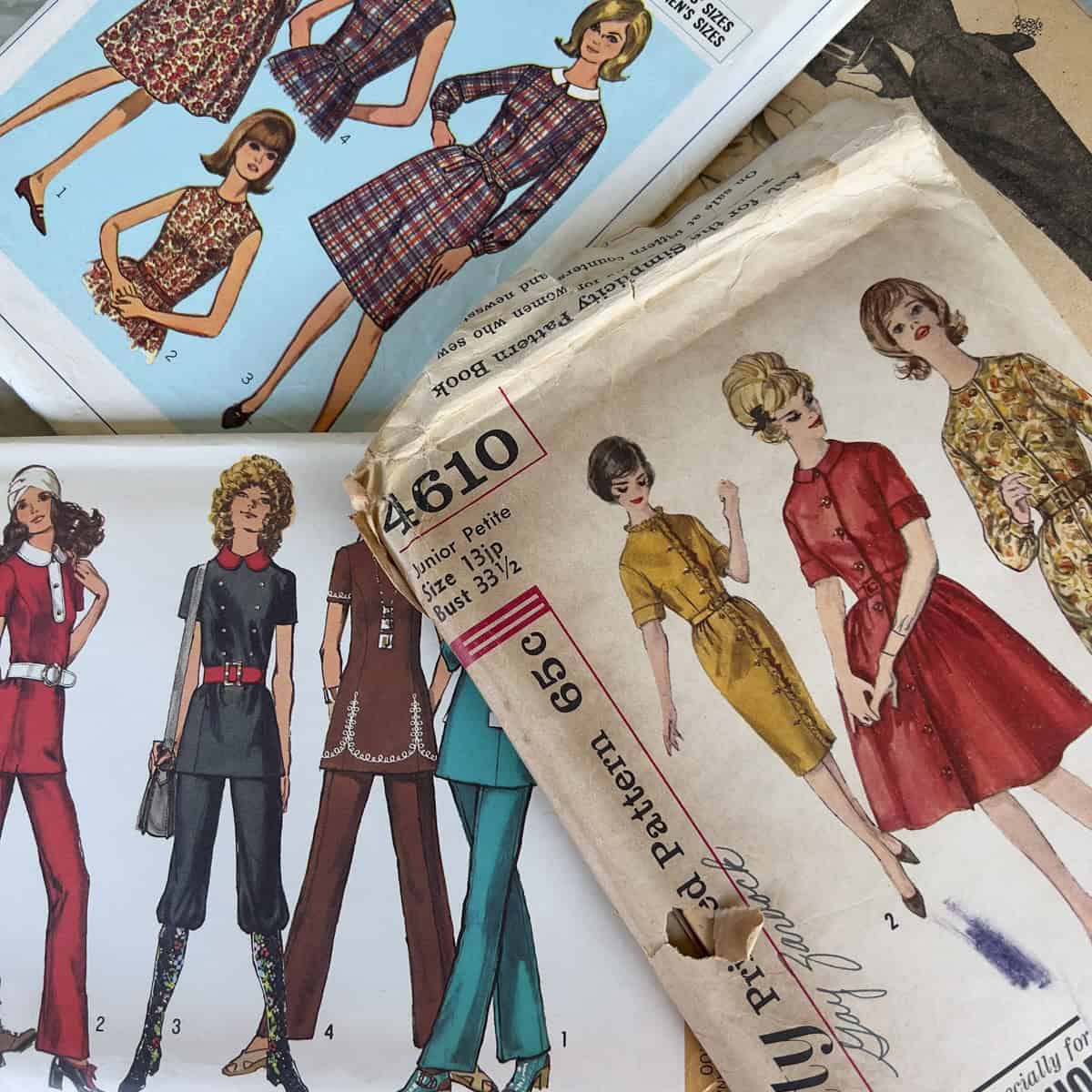
The challenge is that vintage patterns are not always complete, and online listings do not always provide enough information to tell you exactly what you are buying.
A little careful checking before you place an order can help you avoid missing pieces, unusable tissue paper, and patterns that are much more complicated than they first appear.
Start With the Pattern Number
The pattern number is one of the most useful pieces of information in a listing.
It can help you:
- Find additional photos of the envelope
- Compare prices from other sellers
- Locate a clearer image of the instructions
- Confirm the original publication date
- See finished projects made from the same pattern
- Check whether the pattern was published in more than one size or version
Search for the company name along with the pattern number. For example, you might search for “Simplicity 7421 craft pattern” rather than simply typing in the number.
Pattern numbers were sometimes reused, so adding a decade, project type, or company name can make the search more accurate.
Study Every Listing Photo
Do not rely only on the main envelope image.
Look through all the photos and see whether the seller has shown:
- The front of the envelope
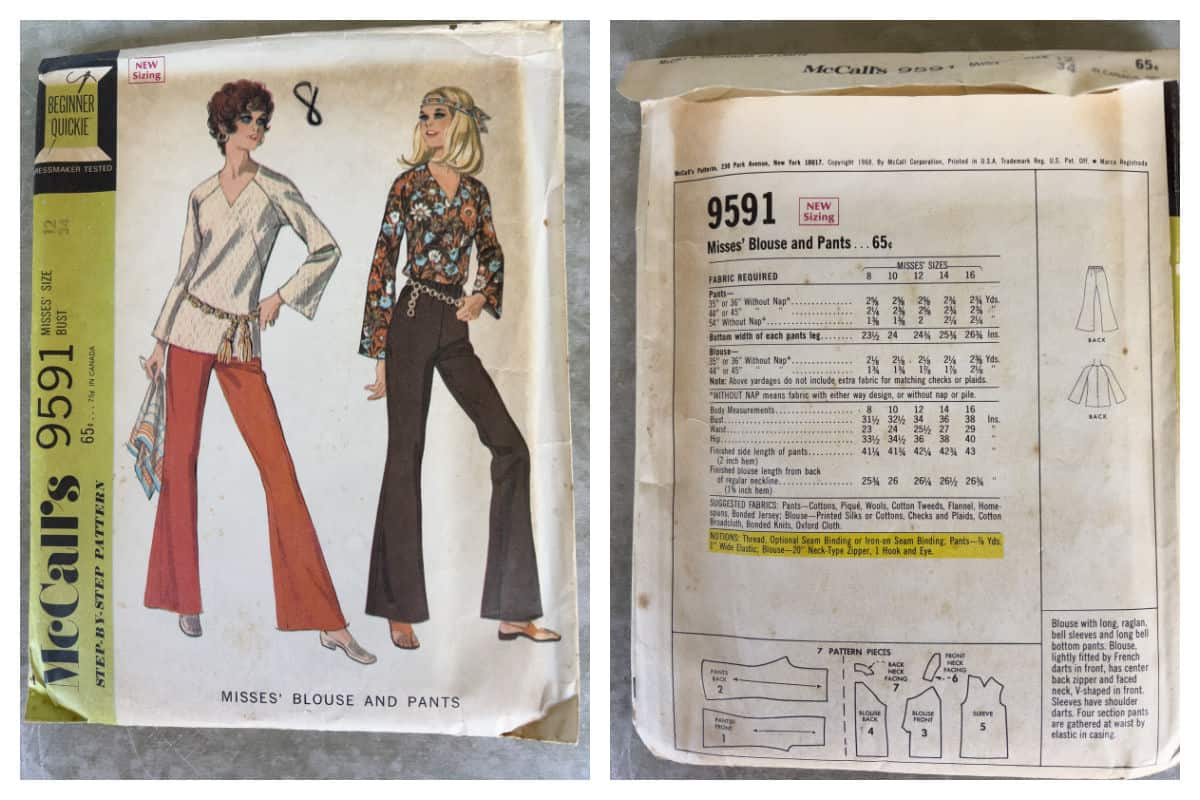
- The back of the envelope
- The instruction sheets
- The pattern tissue
- Is the pattern complete and uncut
- Any visible tears, markings, or damage
A detailed listing should make it easier to see what is included.
If the seller only shows the front of the envelope, it may be difficult to know whether the pattern is complete.
Read the Entire Description
The title may say “vintage pattern,” but the description is where you are most likely to find the important details.
Look for words such as:
- Uncut
- Factory folded
- Cut
- Complete
- Checked
- As is
- Missing pieces
- Envelope only
- Instructions included
- Photocopy
- Reproduction
Descriptions can be brief, so read carefully.
“Appears complete” is not the same as “all pieces counted and verified.”
“Uncut” is generally a good sign, but it does not always guarantee the instruction sheet is included.
Understand What “Uncut” Really Means
An uncut pattern usually means the tissue pieces have not been cut apart.
That is helpful because the pieces are more likely to be complete and in their original condition. However, an uncut pattern can still have problems.
The tissue may be brittle, stained, torn at the folds, or missing part of the instruction sheet. The envelope may also have been opened and the contents rearranged.
Uncut is desirable, but it should not be the only thing you check.
Cut Patterns Can Still Be Good Purchases
A cut pattern is not necessarily a bad choice. Many older patterns were carefully cut, used once, and stored neatly. The important question is whether all the pieces are present.
Look for wording that says the seller counted or checked the pieces against the instruction sheet. A neatly cut, complete pattern is often more useful than an uncut pattern that is badly damaged.
Check Whether the Pattern Is Complete
Pattern completeness matters more than perfect packaging.
A complete vintage pattern should generally include:
- The envelope or cover
- The instruction sheet
- The required tissue pattern pieces
- Any templates or transfer designs mentioned in the instructions
Some craft patterns also include embroidery transfers, appliqué shapes, or special layout pages.
If those pieces are missing, you may not be able to make the project as shown.
For very simple projects, you may be able to recreate a missing square or rectangle. Missing doll faces, shaped gussets, or detailed appliqué templates are harder to replace.
Ask Whether the Pieces Were Counted
If the listing does not clearly say the pieces were counted, it is reasonable to ask.
A helpful question is:
“Have the pattern pieces been checked against the instruction sheet, and are all pieces included?”
This is more specific than asking whether the pattern is complete.
A seller may honestly believe a pattern is complete without having unfolded and counted every piece.
Check the Condition of the Tissue Paper
Vintage pattern tissue can become delicate over time.
Some tissue remains soft and usable for decades. Other pieces become brittle and tear along the folds as soon as they are opened.
Look for signs of:
- Split folds
- Missing corners
- Heavy tape repairs
- Water stains
- Mold
- Insect damage
- Excessive writing
- Brittle or yellowed tissue
Minor tears are usually manageable. You can repair them with archival mending tissue or trace the pattern before using it.
Mold, strong mildew odors, or extensive water damage are more concerning.
Look Closely at the Envelope
The envelope does not need to be perfect, but its condition may tell you something about how the pattern was stored.
A worn envelope with clean contents can still be a good buy.
Be more cautious if you see:
- Dark water marks
- Mold spots
- Heavy discoloration
- Rodent damage
- Large missing sections
- Strong smoke staining
- Extensive tape
Collectors may care about envelope condition more than someone who simply wants to use the pattern.
For a working pattern, complete and usable contents are more important than a flawless cover.
Check for Odors
Odors are difficult to judge from photos, so read the description carefully.
Vintage paper can absorb smells from:
- Cigarette smoke
- Mildew
- Perfume
- Basements
- Attics
- Pets
- Storage containers
Some sellers specifically note that items come from a smoke-free or fragrance-free home.
That does not guarantee an odor-free pattern, especially if the seller purchased it secondhand, but it is useful information. If you are sensitive to smells, ask before buying.
Confirm the Finished Project Size
Craft pattern illustrations can be misleading.
A stuffed animal may look small on the envelope but finish at nearly two feet tall. A fabric basket may be too large for hand sewing, while an ornament may be much smaller than expected.
Check the back of the envelope or the description for finished measurements.
Finished size will help you estimate:
- How much fabric is needed
- How long the project may take
- Whether the seams are practical to sew by hand
- Whether the finished item suits your intended use
Read the Materials List
The materials list is one of the best clues to how complicated a project will be.
A small photograph may hide a long list of supplies.
Check for materials such as:
- Heavy interfacing
- Foam
- Plastic canvas
- Large zippers
- Cording
- Piping
- Wire
- Doll joints
- Specialty fasteners
- Fusible web
- Thick batting
- Buckles or frames
A project that requires many structural materials may be harder to adapt for hand sewing.
Simple cotton, felt, buttons, embroidery floss, and lightweight batting are usually much easier to work with.
Decide Whether the Pattern Is Hand-Sewing Friendly
When shopping for a pattern you hope to sew by hand, focus on construction rather than the decade or style.
The easiest patterns to adapt usually have:
- Small pieces
- Simple shapes
- Short seams
- Few fabric layers
- Limited gathering
- Minimal hardware
- Visible decorative stitching
- Felt, cotton, or lightweight fabric
- Button, tie, or flap closures
Patterns for ornaments, needle books, soft dolls, appliqué, small pouches, and stuffed shapes are often good candidates.
Large bags, long straps, fitted garments, heavy home décor, and heavily structured projects may be less enjoyable to sew by hand.
Look at the Back-of-Envelope Drawings
The front illustration is designed to make the project look appealing. The back of the envelope is often more useful.
Technical drawings can show:
- The actual project shape
- Seam placement
- Closures
- Pockets
- Gussets
- Handles
- Construction details
- Variations included in the pattern
These drawings can help you decide whether the project is simpler or more complicated than the styled photograph suggests.
Confirm Exactly What Is Included
Vintage craft patterns sometimes include several projects in one envelope.
A listing photograph may feature the project you want, while the actual contents are incomplete or include only one variation.
Check whether all views are included.
Also be sure you are buying the full pattern and not:
- A single traced piece
- A digital scan
- A photocopy
- An instruction booklet without tissue
- The envelope only
- A finished sample
- A magazine page removed from a larger issue
Online marketplace titles can be shortened, so verify the details in the description.
Watch for Reproductions and Copies
Some sellers offer authorized reproductions, digital downloads, or photocopies of older patterns.
These can be useful if you want a working copy and are not concerned about owning the original.
However, make sure the listing clearly explains what you will receive.
A digital file should state:
- The file format
- The paper size
- Whether the pattern is tiled
- Whether seam allowances are included
- Whether instructions are included
- Whether the scan is clear and complete
Be cautious with listings that appear to be unauthorized copies of copyrighted patterns.
Compare the Total Cost
A low pattern price can become less appealing after shipping is added.
Compare:
- Pattern price
- Shipping charge
- Sales tax
- Condition
- Completeness
- Seller ratings
- Return policy
A slightly more expensive pattern from a careful seller may be a better value than an inexpensive pattern with missing information.
Buying several patterns from the same seller may also reduce the average shipping cost.
Check the Seller’s Ratings
Seller reviews can reveal whether patterns are packed carefully and described accurately.
Look for comments about:
- Fast shipping
- Accurate descriptions
- Complete patterns
- Careful packaging
- Odors
- Water damage
- Missing pieces
- Communication
A seller who regularly handles sewing patterns may be more likely to understand the importance of counting pieces and protecting fragile tissue.
Review the Return Policy
Many vintage patterns are sold as final sale items.
That is understandable because old paper goods can be difficult to evaluate and return. Still, you should know the policy before buying.
Check what happens if:
- The wrong item is sent
- The pattern is missing pieces
- The item has undisclosed damage
- The condition is significantly different from the listing
Save the original listing photos and description until the pattern arrives and you have checked the contents.
Avoid Overpaying for the Word “Rare”
“Rare” is commonly used in online listings, but it does not always mean the pattern is truly difficult to find.
Search the pattern number and compare several listings.
A pattern may seem rare simply because only one copy is currently available. Another may have been printed in large quantities and appear regularly.
Buy the pattern because you like it and plan to use or collect it, not simply because the listing calls it rare.
Make a Personal Buying Checklist
It helps to decide what matters most before you begin browsing.
Your checklist might include:
- Complete pattern
- Instructions included
- No mold or water damage
- Smoke-free storage
- Small, hand-sewing-friendly project
- Simple construction
- Reasonable shipping cost
- Finished size listed
- Materials still easy to find
- Price within your budget
A checklist can keep you from buying a charming pattern that you are unlikely to use.
What to Do When Your Pattern Arrives
Open the package carefully and check the contents soon after delivery.
Compare the tissue pieces with the instruction sheet. Look for damage, odors, missing templates, and brittle folds.
If the pattern is complete, place all the pieces back together and store them in a protective sleeve or larger envelope.
Before sewing, trace the pieces rather than cutting or repeatedly handling the original tissue. A traced copy is easier to alter and protects the vintage pattern for future use.
Buy Patterns You Will Enjoy Using
It is easy to get carried away when vintage patterns are inexpensive and full of nostalgic charm.
A small, thoughtful collection is often more useful than a large box of patterns you never open.
Look for projects that fit the way you actually like to sew. For hand sewing, that may mean felt ornaments, small pouches, needle books, appliqué, stuffed animals, patchwork accessories, and simple fabric decorations.
The best vintage pattern is not necessarily the oldest, rarest, or most valuable. It is the one that inspires you to choose some fabric, thread a needle, and make something of your own.