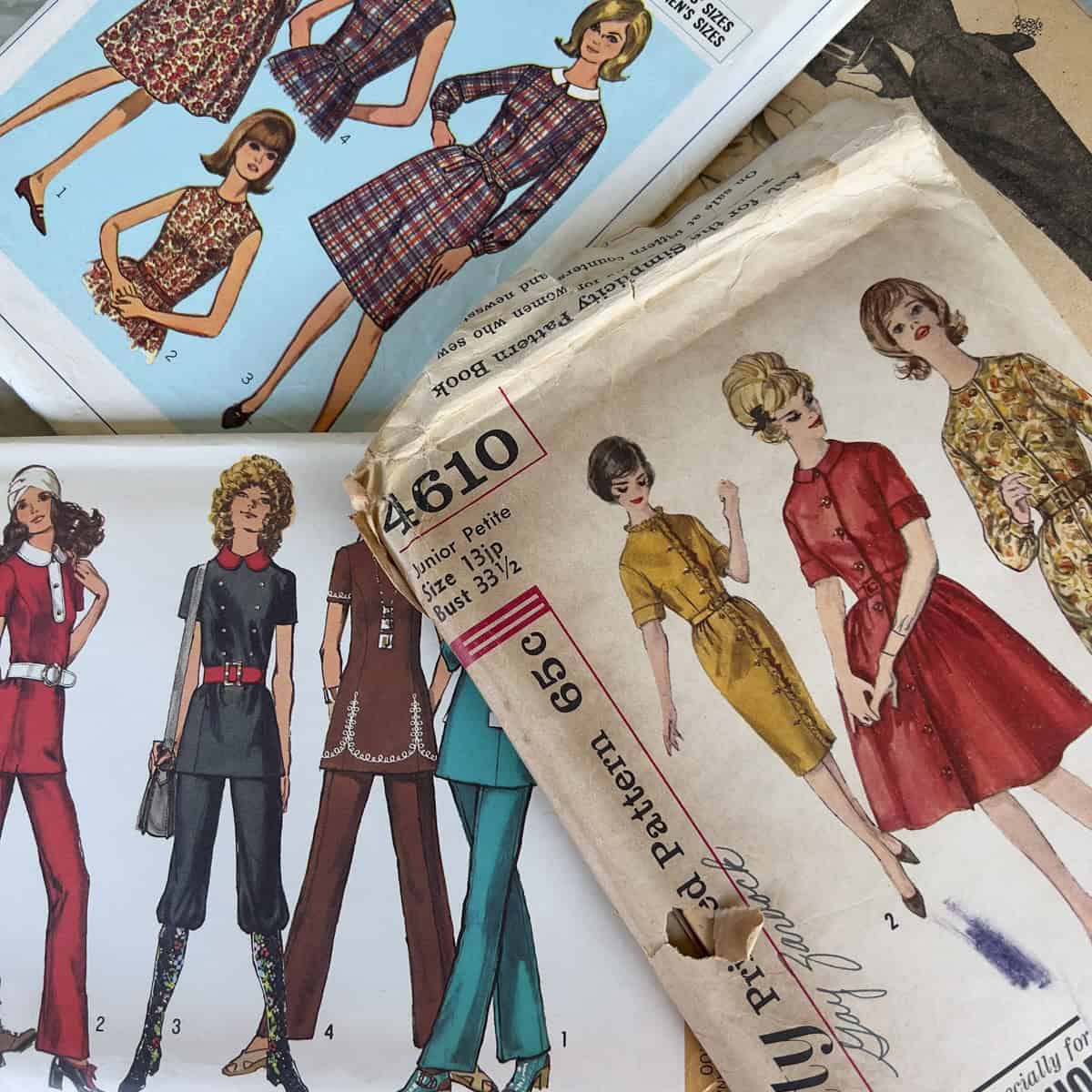
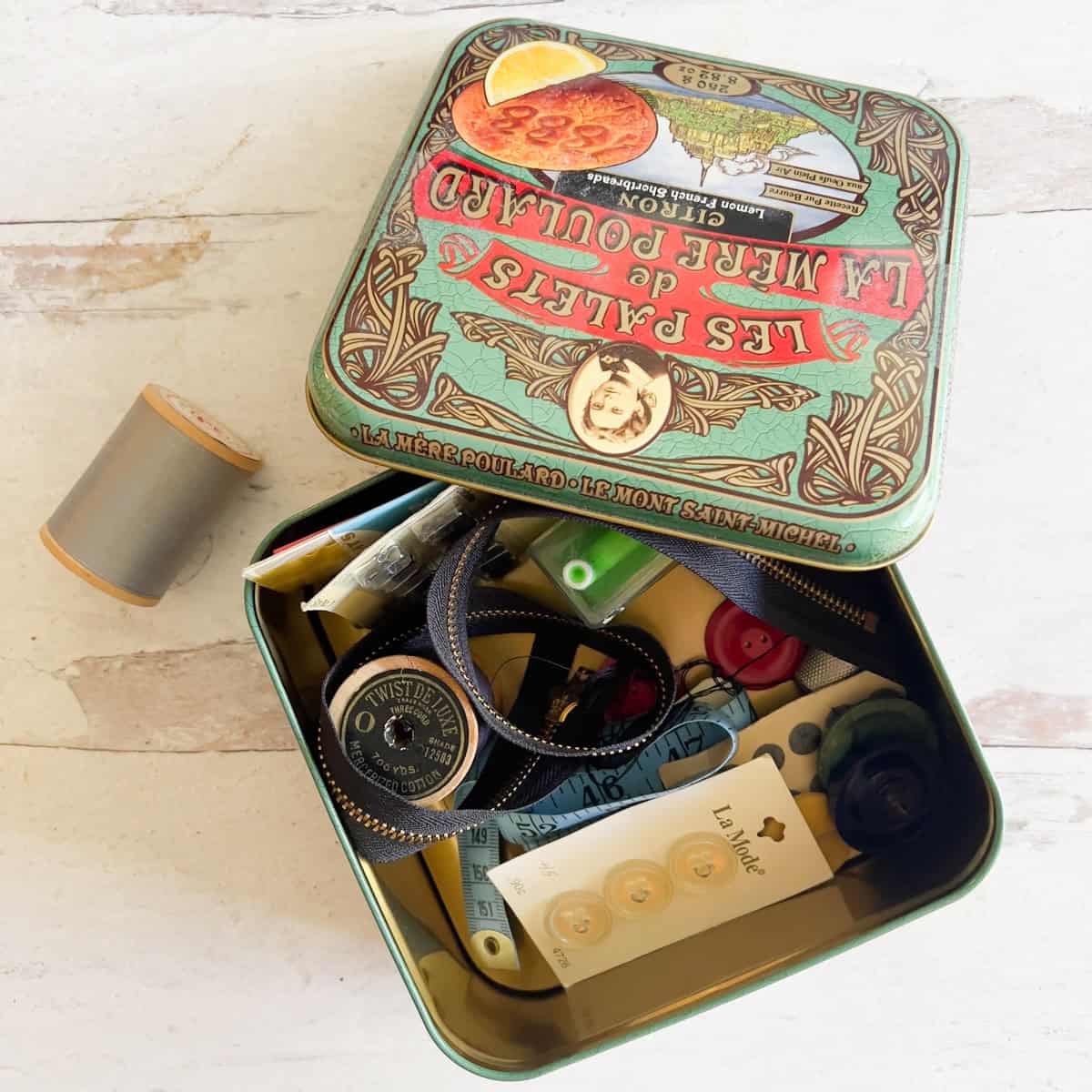
Every child eventually learned that the blue Danish butter cookie tin didn’t always contain cookies. More often than not, it held a family’s sewing supplies, buttons saved from worn-out shirts, spools of thread in every color, and needles tucked into a tiny tomato pincushion.
My Moms cookie tin ignited a lifelong quest for the perfect sewing basket, with one caveat, it had to be old.
It Wasn’t Really About the Cookies
Let’s be honest, that tin was a little bit of a betrayal the first time you opened it expecting shortbread and found a jumble of mismatched buttons instead. But somewhere between the disappointment and the discovery, something else happened. You started noticing the buttons. The way one was made of bakelite, worn smooth at the edges. The way another still had a scrap of thread through it, like whoever cut it off the shirt got interrupted mid-task. That tin wasn’t just storage. It was a little archive of every garment that had come and gone through the house.
That’s the thing about sewing baskets that nobody tells you when you’re a kid rummaging for something to poke your sibling with. They’re not organizers. They’re little time capsules that happen to hold notions.
Why Old, Specifically
I could’ve bought a nice new sewing box. Something from a craft store with molded plastic compartments and a handle that doesn’t wobble. And look, those exist for a reason, they’re practical. But practical was never really the point for me.
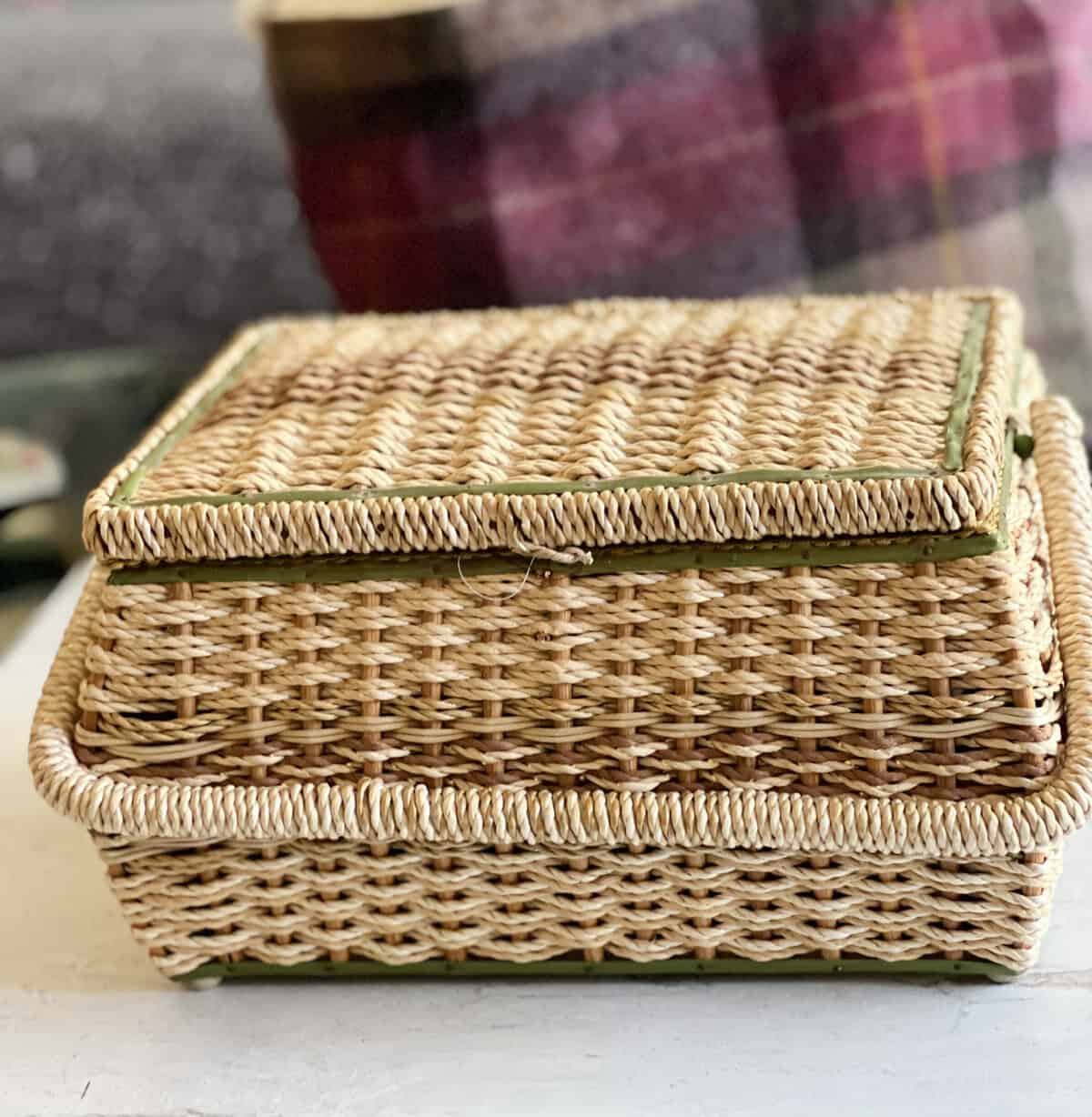
An old sewing basket has already had a life before it met you. It’s held someone else’s projects, someone else’s mending, someone else’s Tuesday afternoons. There’s a kind of continuity in that, using a basket that’s already logged decades of service, and now it’s logging yours too. New baskets don’t have that. They’re waiting for their first story. Vintage ones already have a few chapters written, and you’re just adding on.
There’s also just something about the craftsmanship. The woven splint baskets from the early-to-mid 1900s, the wicker ones with the hinged lids, the metal tins that were clearly repurposed from something else entirely, they were built with an attention to detail that a lot of mass-produced storage just doesn’t bother with anymore.
What I Actually Look For
After years of digging through estate sales, flea markets, and the occasional very lucky thrift store find, I’ve got a short list of things that tell me a basket’s worth bringing home:
A lid that still closes. Sounds obvious, but you’d be surprised how many beautiful baskets have given up on this basic function. A little wobble is charming. A lid that won’t stay shut is a hazard for every pin and needle inside.
Signs of actual use. I want to see the wear. A worn spot on the handle where a hand rested a thousand times, a faint ring on the bottom from a thimble that lived there for years. That’s not damage, that’s provenance.
Room to grow. A basket that’s already stuffed to the brim with someone else’s decades of accumulation doesn’t leave much space for your own. I like ones with a little breathing room, enough for my own spools and pincushions to move in alongside whatever’s already there.
A story, if you can get one. Estate sales are the best for this. Sometimes there’s a family member around who’ll tell you the basket belonged to a grandmother who sewed every Sunday after church. You can’t put a price on that kind of detail, and honestly, it usually doesn’t cost extra.
The Tin Lives On
That original blue Danish cookie tin is still around, actually. It’s not in daily rotation anymore, it’s been retired to a shelf, holding a few of my mother’s original buttons that I couldn’t bring myself to redistribute anywhere else. But every basket I’ve collected since has been chasing that same feeling it gave me. That specific mix of surprise and delight when you lift a lid and find someone’s whole sewing life looking back at you.
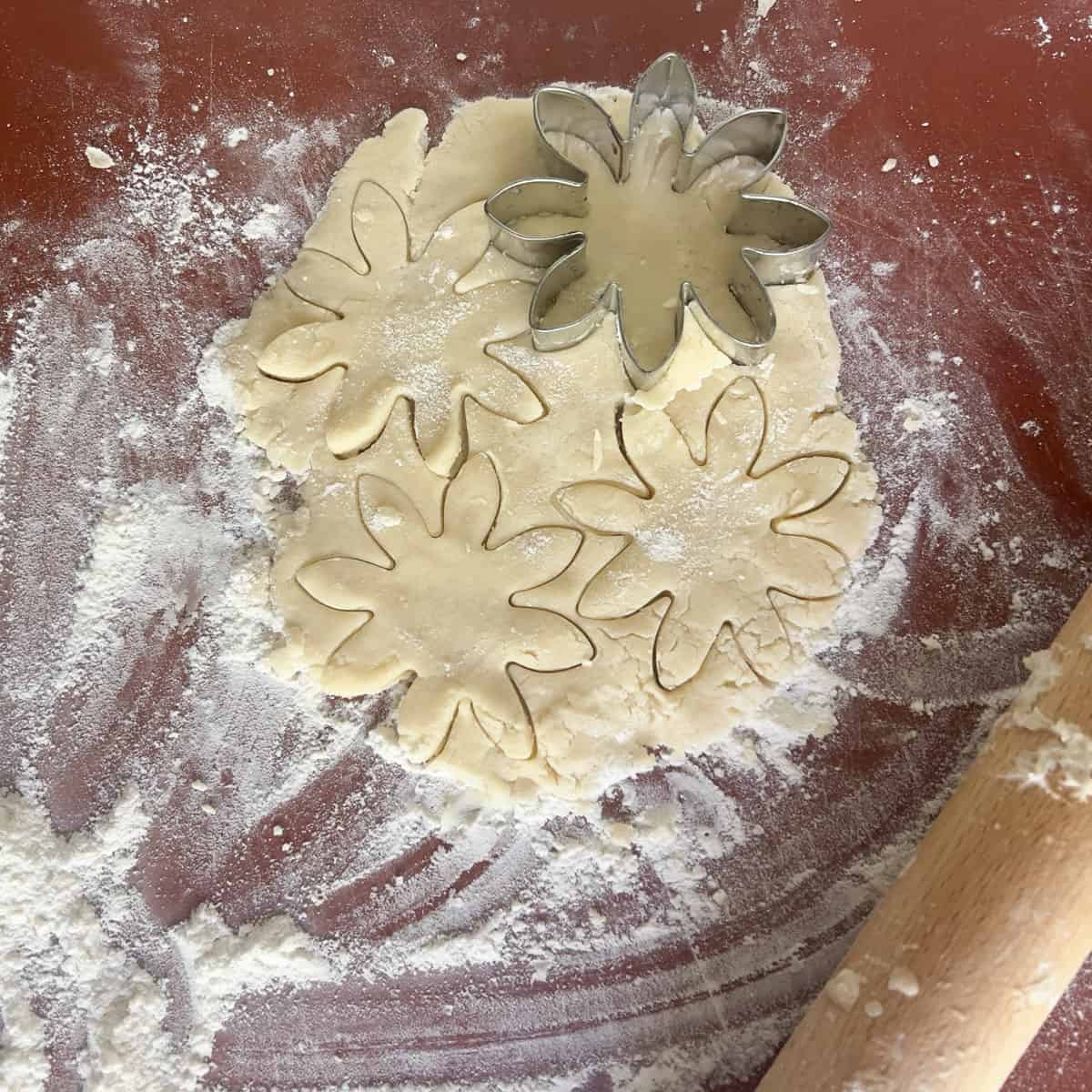
And if you’d like to put an actual batch of cookies in the tin for once, these little button cookies seem especially fitting.
If you’re just starting your own collection, my advice is simple: don’t overthink it. Buy the basket that makes you want to open it. The rest, the mending, the mismatched buttons, the stories, that all comes later. It always does.